
As industrial equipment grows more complex and the demand for operational efficiency rises, training on maintenance has become essential to business success. Effective maintenance training helps organizations reduce downtime, improve safety, and ensure long-term reliability of critical assets.
But traditional training methods—classroom sessions, printed manuals, or informal mentoring—often fall short of today’s needs. Companies need scalable, engaging, and measurable training solutions that keep pace with technological change. That’s where saVRee.com stands out, offering modern e-learning tools to transform how enterprises deliver training on maintenance. The benefits of these modern tools include improved production performance, addressing workforce challenges, and attracting younger talent, making them a critical investment for companies.
With nearly 100 hours of video content, over 500 interactive 3D models, detailed handbooks, and integrated assessments, saVRee’s platform supports maintenance teams across industries such as power generation, oil & gas, manufacturing, maritime, automotive, and more.
Introduction to Maintenance Training
Maintenance training is a crucial aspect of ensuring the efficiency and productivity of mechanical systems, facility maintenance, and overall business operations. It involves providing maintenance technicians with the necessary skills and knowledge to perform routine maintenance, troubleshooting, and repairs. Effective maintenance training programs can help bridge the skills gap, reduce equipment downtime, and improve safety procedures. With the increasing demand for skilled maintenance workers, investing in maintenance training is essential for organizations to remain competitive.
Maintenance training programs are designed to equip maintenance technicians with the expertise needed to maintain and repair complex mechanical systems. These programs cover a wide range of topics, from basic safety procedures to advanced troubleshooting techniques. By investing in comprehensive maintenance training, organizations can ensure that their maintenance personnel are well-prepared to handle any challenges that arise, ultimately leading to more efficient operations and reduced equipment downtime.
Why Training on Maintenance Is Critical
Whether it’s a power plant turbine, a marine diesel engine, or a production line conveyor, maintenance teams are responsible for ensuring critical systems operate reliably and safely. Without proper training, even routine maintenance tasks can lead to equipment damage, costly downtime, or safety incidents.
Training on maintenance is essential for:
-
Reducing unplanned downtime
-
Preventing premature equipment failure
-
Enhancing technician confidence and competence
-
Meeting safety and regulatory standards
-
Improving overall plant efficiency
However, to be effective, training must go beyond theory. It must offer hands-on understanding, visual engagement, and continuous learning—and that’s exactly what saVRee delivers.
Types of Maintenance
There are several types of maintenance, each playing a critical role in ensuring the longevity and reliability of equipment. Preventive maintenance involves scheduled maintenance tasks designed to prevent equipment failure before it occurs. This type of maintenance is essential for keeping systems running smoothly and avoiding unexpected breakdowns. Routine maintenance includes regular tasks such as cleaning, inspecting, and lubricating equipment to ensure it operates efficiently.
Predictive maintenance, on the other hand, uses data and analytics to predict when maintenance is required. By monitoring equipment performance and identifying potential issues before they become serious problems, predictive maintenance helps maintenance managers develop effective maintenance schedules and training programs. Understanding the different types of maintenance is essential for creating a comprehensive maintenance strategy that maximizes equipment uptime and minimizes costs.
Challenges of Traditional Maintenance Training
Despite its importance, training on maintenance is often delivered through outdated methods that can’t meet the demands of modern operations. Common problems include:
-
Inconsistent content across departments or sites
-
Limited access to real equipment for practice
-
High costs of travel and in-person instruction
-
Lack of measurable progress tracking
-
Low engagement from static, text-heavy materials
To overcome these barriers, forward-thinking companies are turning to digital learning platforms that are flexible, scalable, and interactive. These platforms offer more flexibility compared to traditional methods by accommodating diverse needs and learning paces, enhancing the overall training experience.
Maintenance Training Programs
Maintenance training programs are designed to provide maintenance technicians with the necessary skills and knowledge to perform their jobs effectively. These programs can include training courses on mechanical systems, facility maintenance, and safety procedures.
A well-rounded maintenance training program covers a variety of topics, from basic mechanical systems to advanced troubleshooting techniques.
Setting Up a Maintenance Training Initiative
Setting up a maintenance training initiative requires careful planning and consideration of the organization’s specific needs and goals. Maintenance managers should assess the skills gap and identify areas where training is required. Additionally, maintenance managers should establish a system for tracking progress and verifying the effectiveness of the training program.
To begin, maintenance managers should conduct a thorough assessment of the current skills and knowledge of their maintenance personnel. This will help identify any gaps that need to be addressed through training. Once the needs are identified, a comprehensive training program can be developed, incorporating a variety of training methods to ensure a well-rounded education. Tracking progress and verifying the effectiveness of the training program is crucial for ensuring that the training is meeting its objectives and providing value to the organization.
Delivering Effective Training
Delivering effective training requires a structured approach that includes introduction, instruction, and verification. Maintenance technicians should be introduced to the training program and its objectives, and then provided with instruction on the specific skills and knowledge required. The training should be delivered in a way that is engaging and interactive, using tools such as multimedia and hands-on training. Finally, the effectiveness of the training should be verified through assessments and evaluations, and maintenance technicians should be provided with feedback and opportunities for further development. By following this approach, organizations can ensure that their maintenance training programs are effective in developing the skills and knowledge of their maintenance technicians.
A successful training program begins with a clear introduction that outlines the objectives and expectations. Verification through assessments and evaluations ensures that the training is effective and that technicians are retaining the information.
saVRee: The Digital Solution for Maintenance Training
saVRee.com provides comprehensive online engineering courses and immersive tools that make training on maintenance more effective and accessible. From onboarding new technicians to upskilling experienced staff, saVRee enables continuous learning across your entire workforce.
Here’s how saVRee supports maintenance training in the modern enterprise:
🎥 100 Hours of Video Lessons
saVRee offers an extensive video library with nearly 100 hours of maintenance-related training content. These lessons cover key engineering systems and concepts taught in the courses, including:
-
Valves, pumps, compressors, and heat exchangers
-
Electrical circuits, panels, and fault diagnosis
-
Pneumatic and hydraulic systems
-
Preventive and predictive maintenance
-
Process instrumentation and control loops
Each course is delivered in short, digestible segments designed for flexible learning. Whether technicians are on shift, working remotely, or training in groups, the platform supports their unique schedule.
👉 Preview a saVRee training video

🧠 500+ Interactive 3D Models
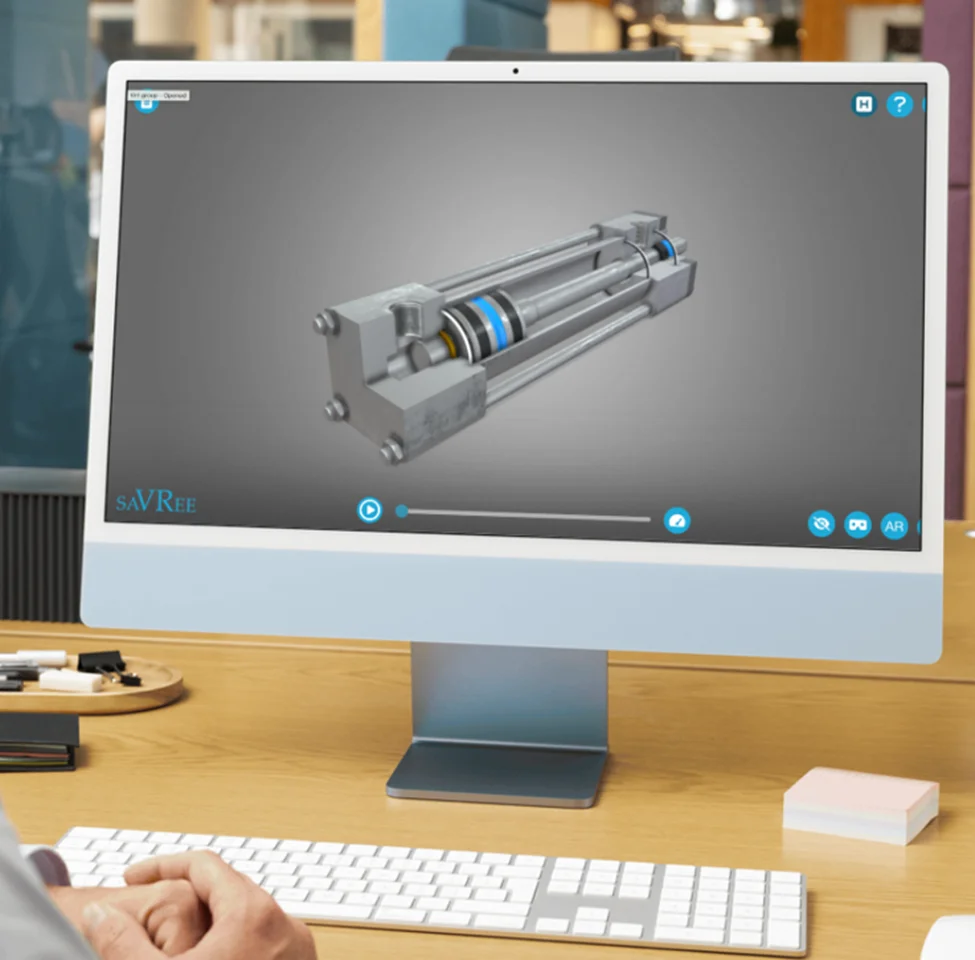
Understanding equipment inside and out is critical for effective maintenance. saVRee offers over 500 interactive 3D models of real-world industrial systems, enabling learners to explore how machines work in a fully visual, hands-on environment. The 3D models cover topics such as mechanical drives.
Models can be accessed via:
-
Web browser
-
Virtual Reality (VR)
-
Augmented Reality (AR)
These immersive tools provide a true-to-life understanding of systems that’s impossible with static diagrams or lectures alone.
📘 Comprehensive Maintenance Handbooks
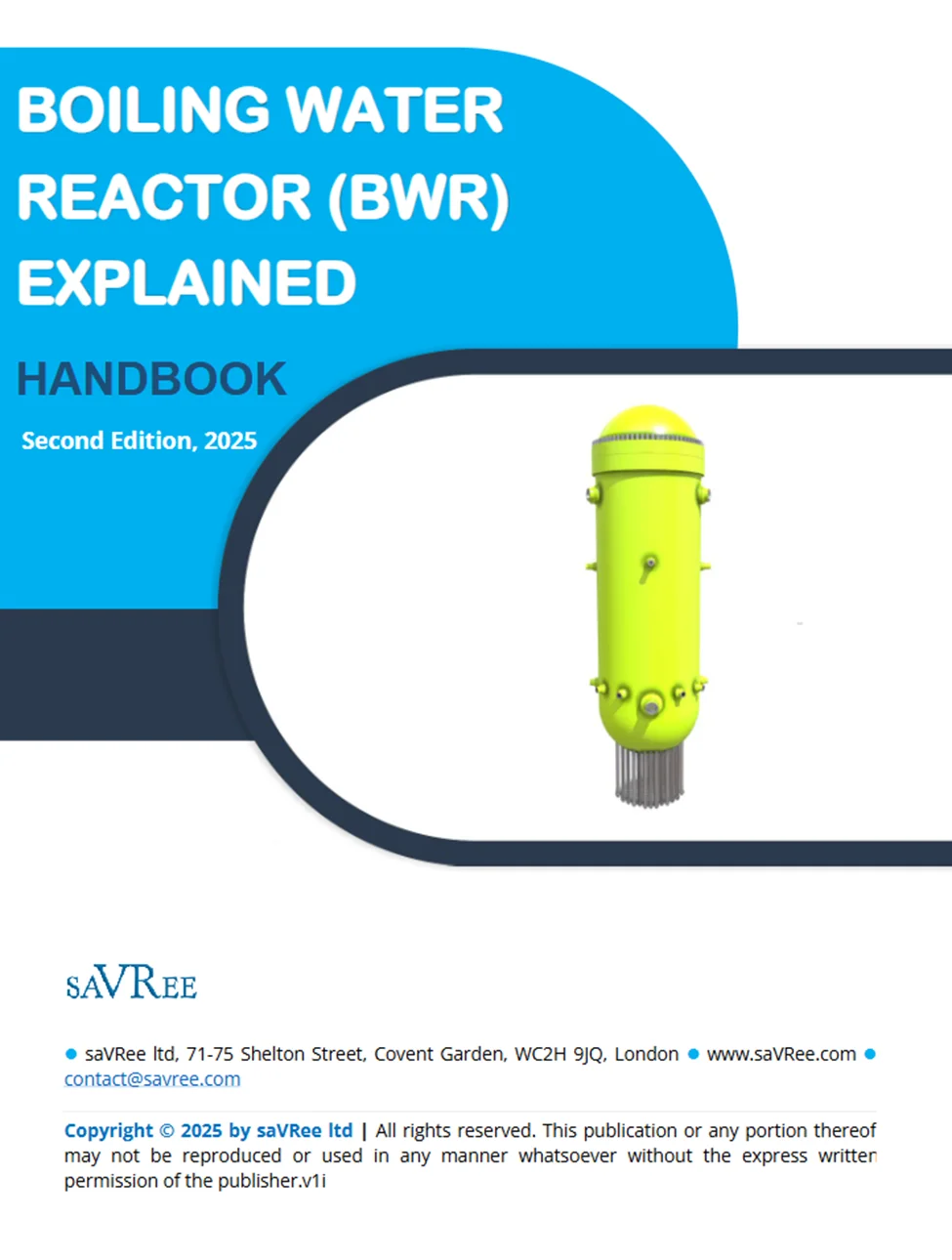
Each course is supported by downloadable handbooks that reinforce key concepts and offer step-by-step guides for maintenance tasks. These resources are ideal for:
-
Reviewing lessons before or after training sessions
-
On-the-job reference during maintenance procedures
-
Supporting blended learning approaches
✅ Integrated Knowledge Assessments
To ensure knowledge retention and verify training outcomes, saVRee includes hundreds of quiz questions and assessment modules. These tools help managers:
-
Evaluate individual and team performance
-
Track learning progress through LMS systems
-
Meet industry compliance and certification standards
👉 Explore an example assessment
Built for Enterprise Training
saVRee is more than just a course provider—it’s a full-service training ecosystem built for enterprise-scale deployment. Its tools are designed to support training across departments, locations, and even continents.
saVRee's training programs adhere to established industry standards.
Key enterprise features:
-
SCORM and TinCan (xAPI) compatibility for seamless LMS integration
-
Browser-based platform—no software installs or special hardware required
-
Multilingual support for global teams and employees
-
Accessible on desktop, tablet, or VR devices
-
Centralized tracking and reporting of learner performance
Whether your company has 50 technicians or 5,000, saVRee’s training platform ensures consistent and measurable results.
Industries That Benefit from saVRee’s Maintenance Training
saVRee’s resources are widely used in: